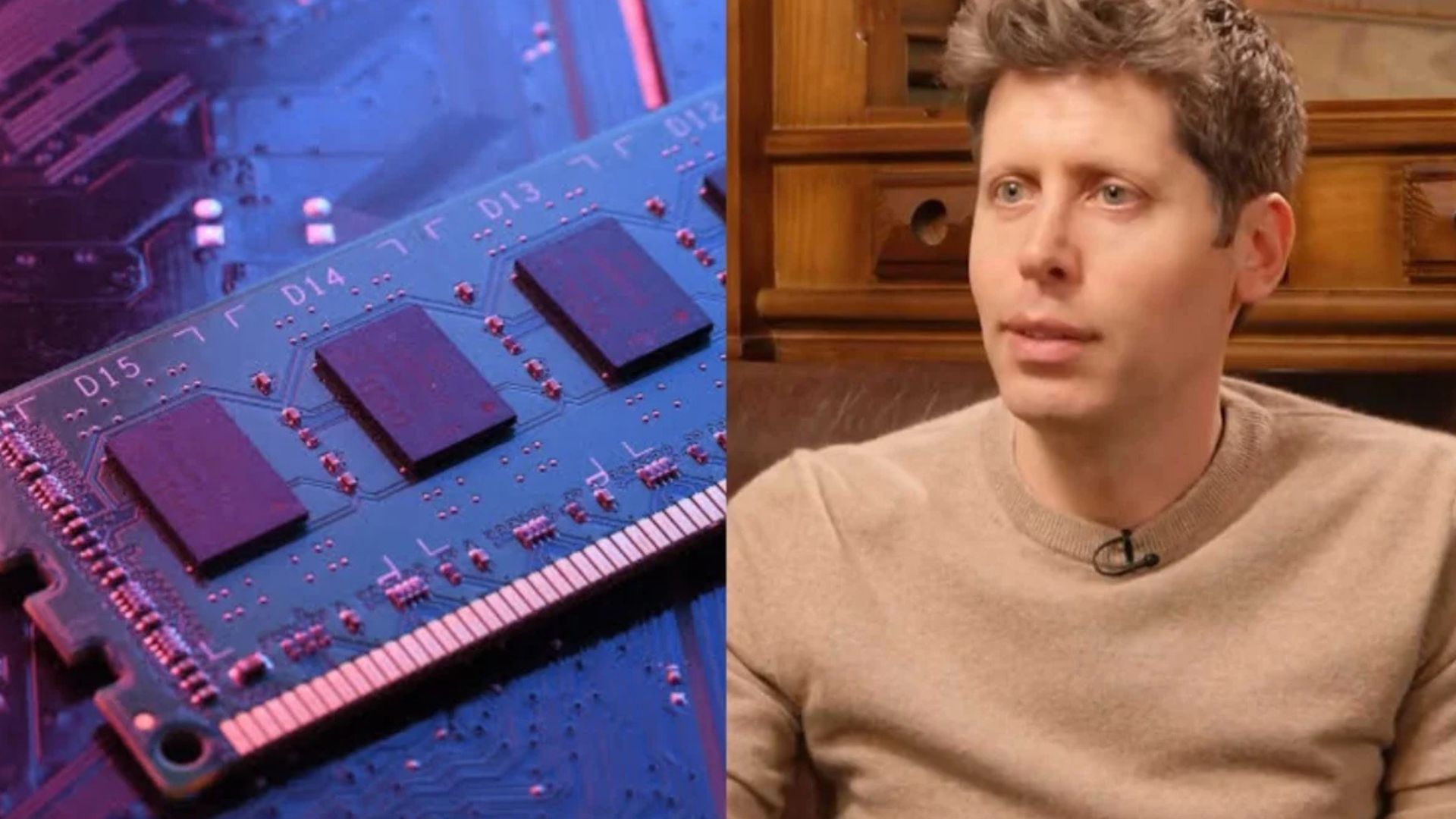
Altman thinks putting RAM in data centers is a better use of a scarce resource than putting it in your Mac mini.
Amid the ongoing global RAM shortage, OpenAI CEO Sam Altman has a rather unusual take. He believes that people keeping large amounts of memory in their personal computers, where it may sit unused...
In an interview on the YouTube channel Cheeky Pint, OpenAI CEO Sam Altman argued that it's more efficient to direct the world's tightening supply of memory to AI data centers than to local...
The increasing demands from data centers powering AI engines has plunged us into a global RAM shortage crisis, and the CEO of one of the companies responsible thinks the memory that is available...
OpenAI CEO Sam Altman believes that having large amounts of RAM installed in personal computers is an inefficient use of the world's increasingly limited DRAM supply, arguing that cloud data...
Sam Altman's comments on PC memory allocation spark criticism as AI data centre demand worsens the global RAM shortage.
OpenAI CEO Sam Altman thinks the DRAM sitting inside personal computers would be better used in data centers. He made the comments on the Cheeky Pint podcast, hosted by Stripe co-founder John...
OpenAI boss Sam Altman is getting roasted online after suggesting it’s "quite terrible" that ordinary people are using up the world’s limited supply of computer memory instead of putting it to...
Asked about supply chain shortages, like the ongoing RAM shortage, OpenAI CEO Sam Altman said in an interview that it's "terrible" to have RAM in personal PCs instead of data centers. During his...
Altman once again makes himself look like a generational knob in this latest quip, where he doubles down on his aspiration to deprive you of ownership.
OpenAI's CEO isn't a fan of the growing trend of running AI models locally on PC hardware, calling it a waste of precious DRAM. 'You want maximum utilization,' he says.
First reported:
First saved on ClustZ:
Coverage updated:
We use cookies to improve your experience and analyze site traffic. By clicking "Accept", you agree to our use of cookies. See our Privacy Policy.