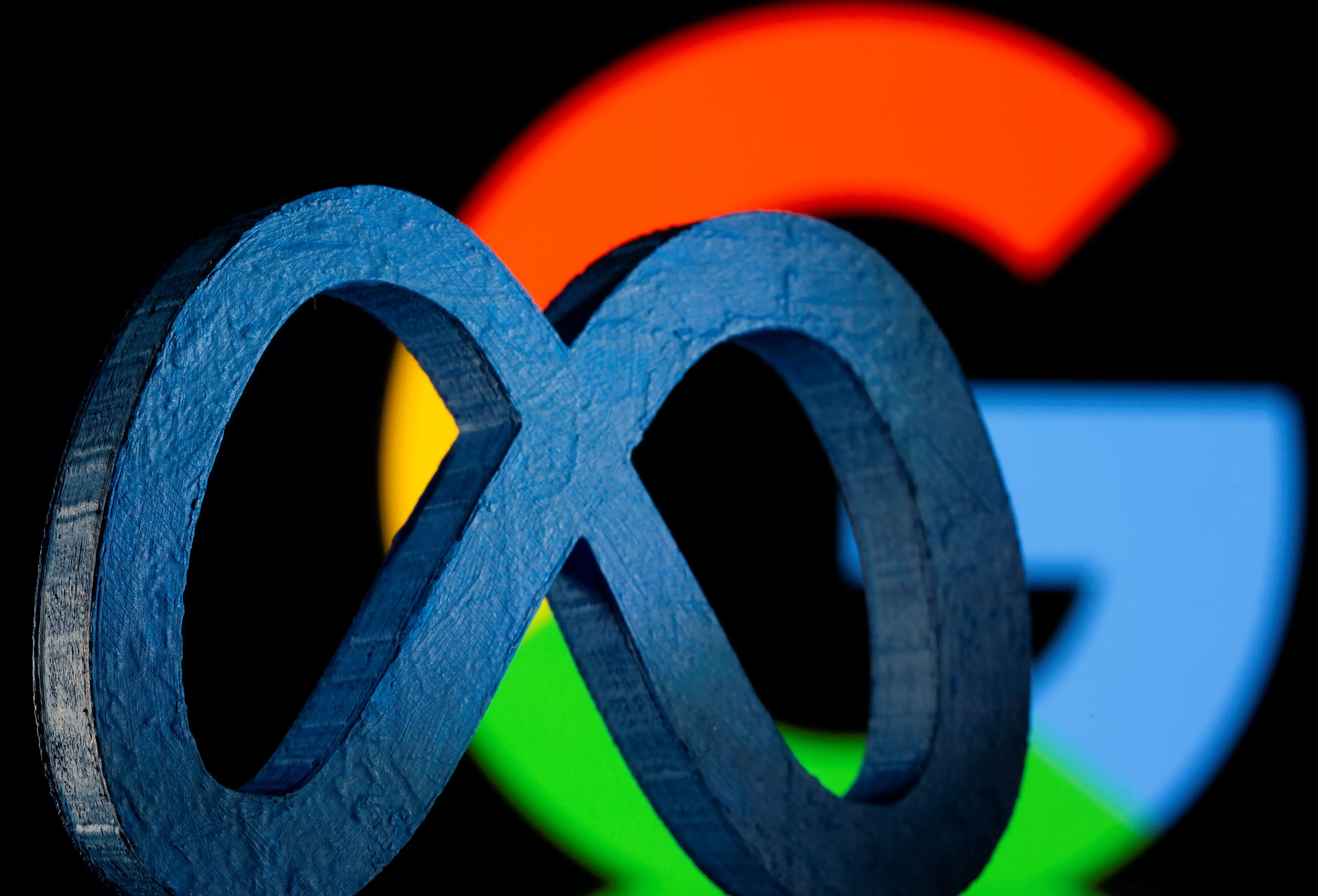
Google, Meta and TikTok all filed to block California from implementing a law designed to protect children from addictive social media.
The law, known as Assembly Bill 1709, prohibits such platforms from offering underage children "psychologically exploitative features" that could lead to compulsive use, such as providing personal...
Meta, Google and TikTok have sued California Attorney General Rob Bonta, challenging a new law that restricts autoplay videos and personalised feeds for users under 16. The law, scheduled to take...
The complaints, filed Wednesday, target Assembly Bill 1709. Governor Gavin Newsom signed the measure on September 10 as part of a broader package covering social media and AI chatbot safety. It's...
Meta, TikTok and Google filed separate lawsuits against California over a new law seeking to tighten restrictions on child social media usage, arguing the legislation violates the companies’ First...
Meta, Google and TikTok have sued California over a law banning personalised feeds and autoplay for users under 16, arguing that the restrictions violate free speech rights and Section 230...
Three of the biggest social media companies want to block a California law designed to reduce youth social media addiction from going into law. On Wednesday, Google, Meta, and TikTok each filed...
Separate lawsuits were filed by Google, Meta and TikTok, which have been battling a flood of claims that their services are addictive.
Google, Meta and TikTok each filed suit in federal court against an incoming California law that blocks platforms from deploying features considered "psychologically exploitative."
Technology giants are pushing back against efforts to block teens from endless scrolling.
If it goes into effect next year, this California law would restrict social media access for children under 16.
The companies argue that California's new rules on autoplay videos and personalised feeds violate free speech protections and interfere with parental choices. The law, due to take effect in...
The companies argue in separate filings that the recently signed law violates the First Amendment.
The online giants are arguing that a new law set to take effect next year violates First Amendment rights and oversteps regulatory boundaries, per Reuters.
First reported:
First saved on ClustZ:
Coverage updated:
We use cookies to improve your experience and analyze site traffic. By clicking "Accept", you agree to our use of cookies. See our Privacy Policy.