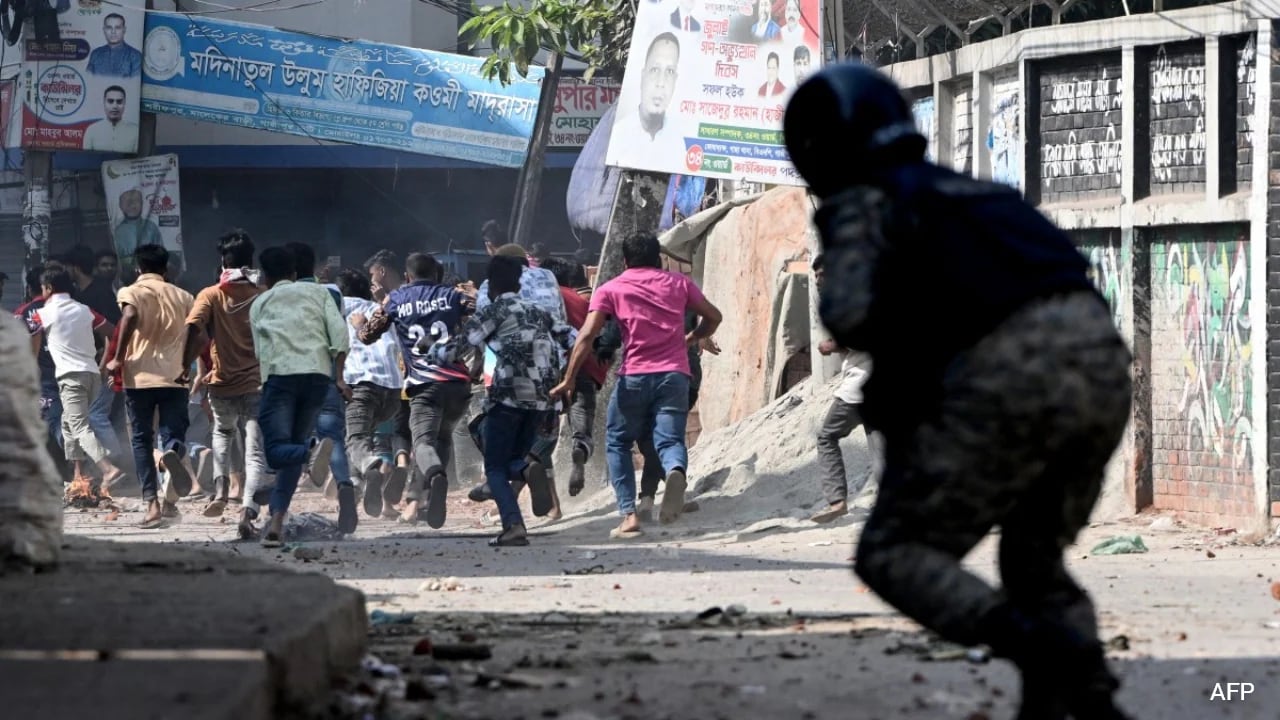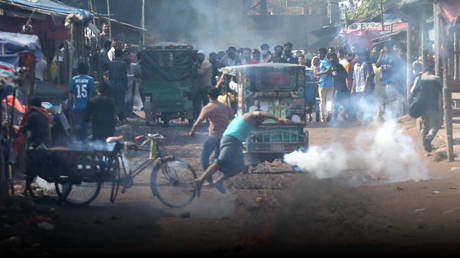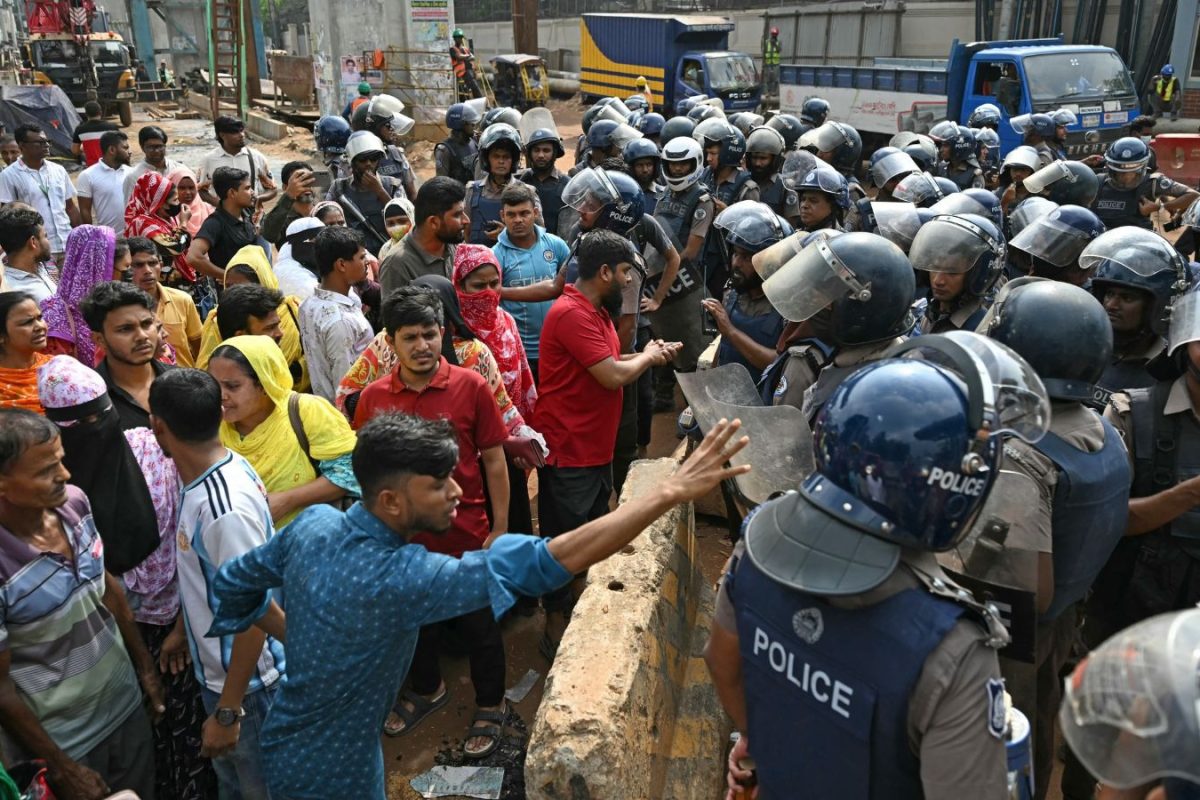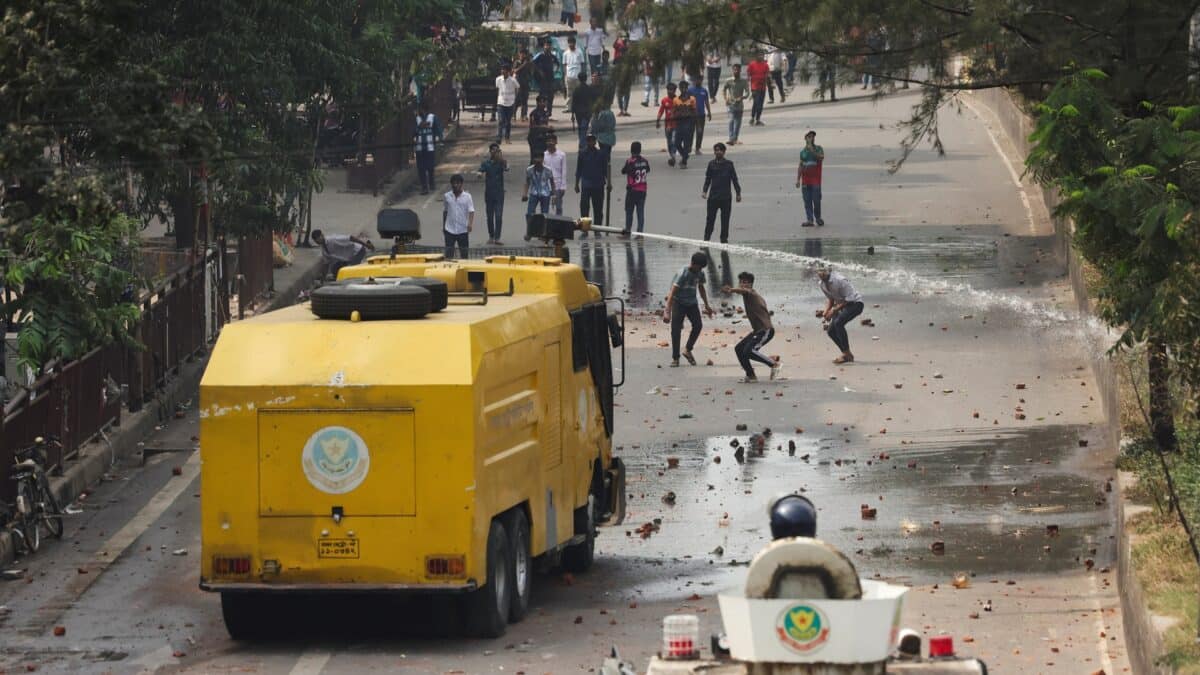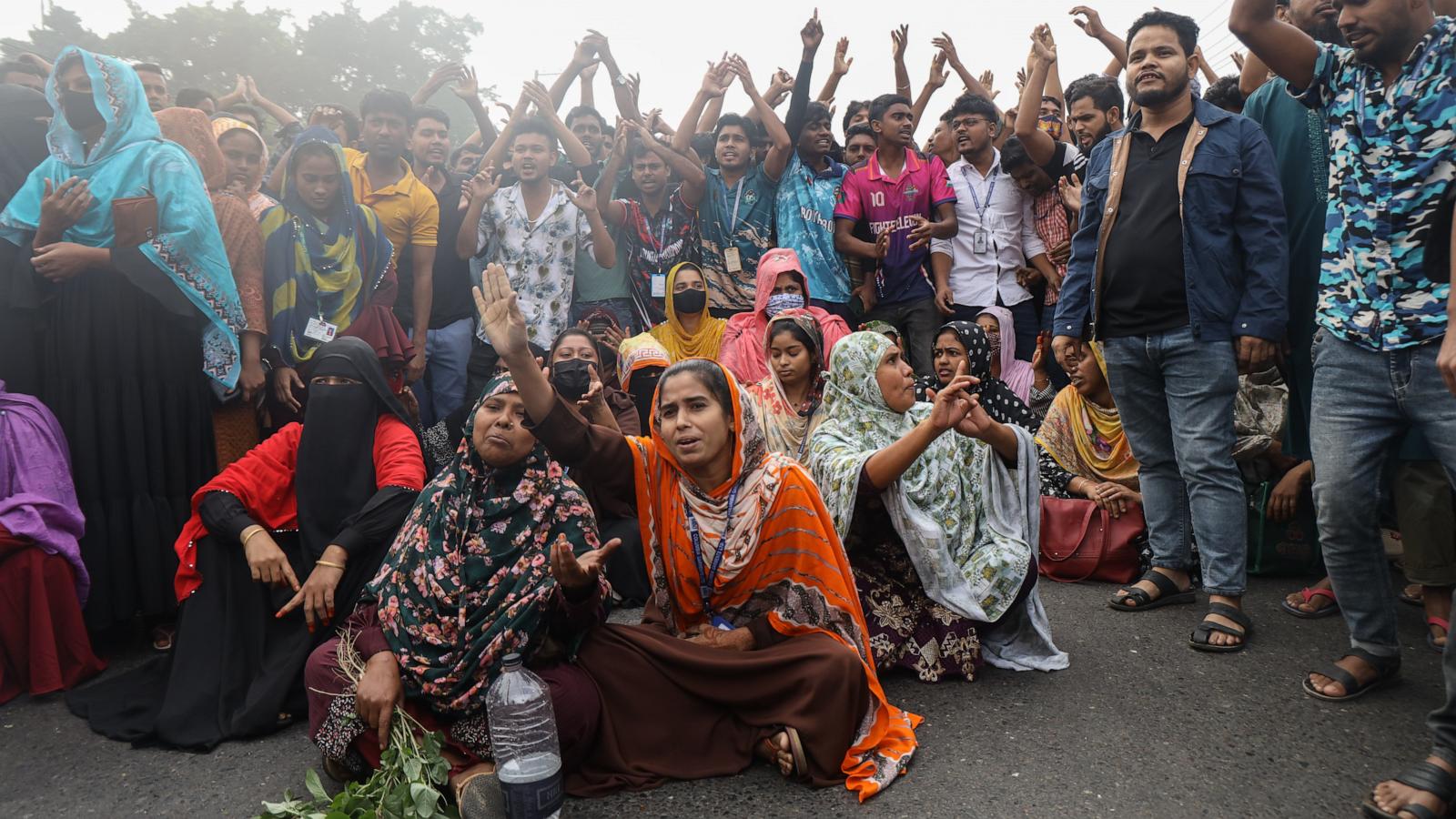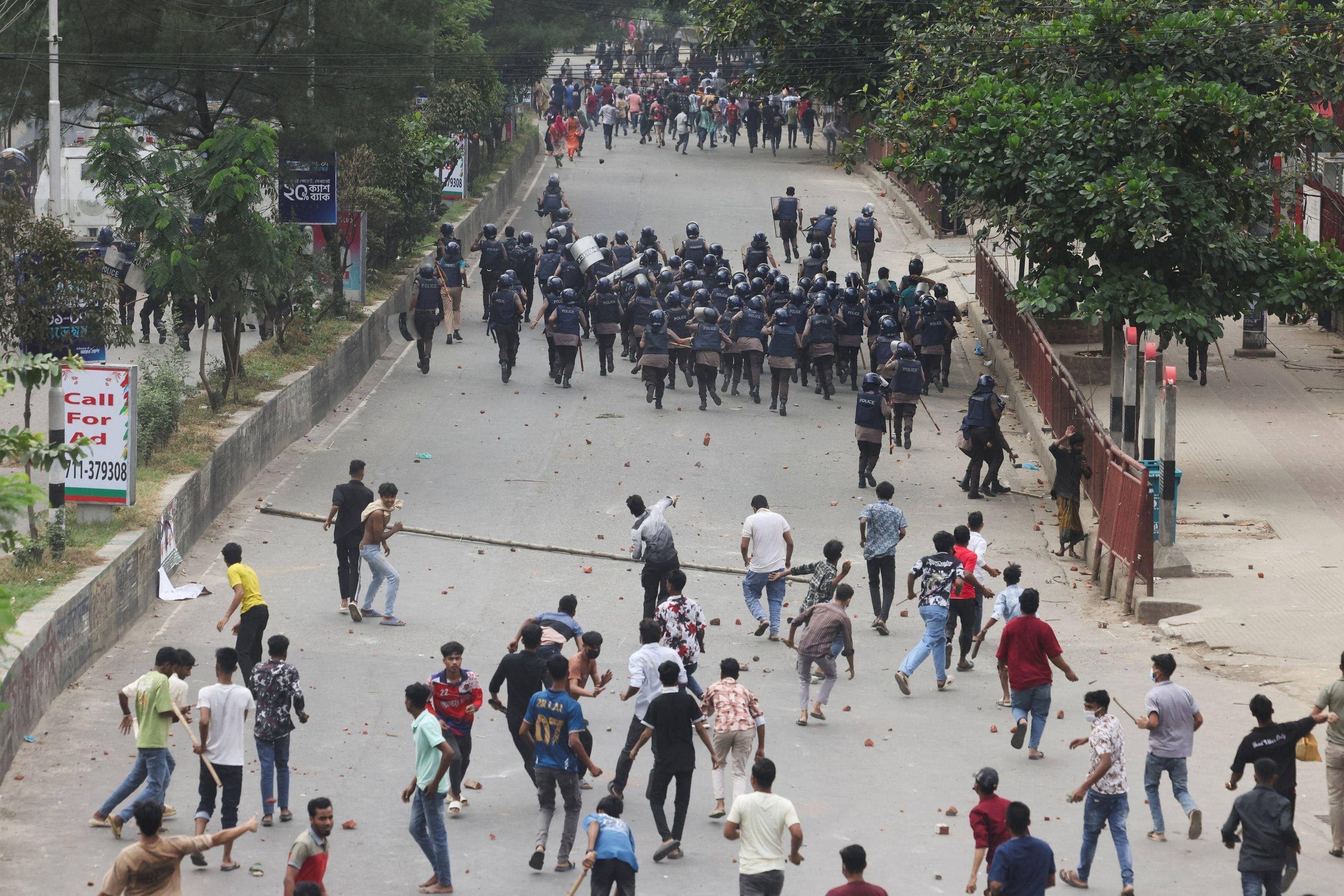
Several garment factories were allegedly attacked and vandalised in the unrest that started earlier this week, with groups of people allegedly pushing against factory gates.
Bangladesh, which supplies major retailers such as H&M, Zara, Walmart, Target and Gap, has approved the smallest minimum wage hike for garment workers in four decades, despite weeks of protests.
Protesters blocked highways and vandalized facilities, while more than 100 units have been shut since Tuesday Workers in Bangladesh’s flagship garment industry blocked highways, vandalized...
The majority of the board had agreed to raise the sector's minimum monthly wage from Tk 12,500 ($100) to Tk 17,500 ($136).
Bangladesh has raised the minimum monthly wage for workers in its ready-made garment (RMG) industry by 36 per cent to Tk17,000, following prolonged negotiations between factory owners and workers’...
A government-formed wage board in Bangladesh has raised the minimum monthly wage for entry-level garment workers by 36% to 17,000 takas, or $136, from 12,500 takas after weeks of violent protests
Bangladesh raised the minimum monthly wage for garment workers by 36% to $136 following weeks of protests demanding higher pay amid rising living costs.
The decision came after a 12-hour marathon meeting at the Minimum Wage Board office in Dhaka’s Segunbagicha, which ran from 2 pm Tuesday to about 2 am Wednesday
The increase follows weeks of protests by garment workers seeking higher pay that shut factories, blocked highways and disrupted production in a sector that employs more than 4 million workers
The South Asian nation, the world’s second-biggest garment exporter behind China, has seen widespread protests since October by workers demanding higher pay
First reported:
First saved on ClustZ:
Coverage updated:
We use cookies to improve your experience and analyze site traffic. By clicking "Accept", you agree to our use of cookies. See our Privacy Policy.